
If peak season is the loud, expensive, overcrowded version of travel… shoulder season is the smarter sibling.
It’s when the weather is still good, prices often drop, crowds thin out, and places start feeling like actual places again instead of theme parks for tourists.
After years of full-time travel, we’ve learned one thing fast:
We’d rather visit a destination at 85% “perfect weather” and 40% of the chaos.
That’s shoulder season.
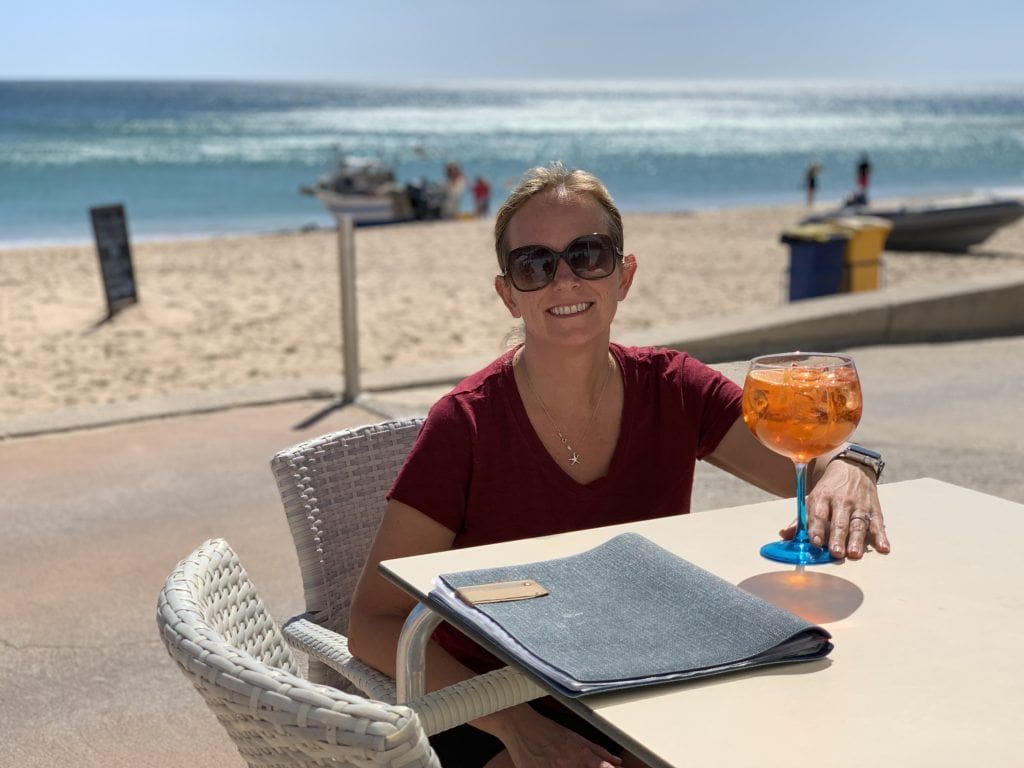
For us, it has led to some of our favorite travel memories – empty beaches in Greece, dreamy sunsets in Thailand, easier restaurant reservations in Cape Town, and way less standing in lines wondering why we paid so much to suffer.
Here’s why we love it, when it works best, and when it absolutely doesn’t.
First, What Is Shoulder Season?
Shoulder season is the period just before or just after a destination’s busiest travel season.
Examples:
- Greece in September or October after the summer rush
- Thailand in late spring before rainy season fully kicks in
- Cape Town in late January and February after the holiday surge
- Europe in April or early May before summer madness
- Ski towns in summer or right before or after prime snow season
Think of it as the sweet spot between “ideal conditions” and “why are there 6,000 people here?”
Why We Love Shoulder Season Travel
1. Lower Prices Without Sacrificing the Experience
This is usually the headline benefit.
Flights can be cheaper. Hotels often soften rates. Vacation rentals become negotiable. Tours may run promos.
We’ve booked some incredible apartments in Europe during shoulder season for prices that would have been laughable two months earlier.
If you’re booking rentals, we always compare across platforms and then check direct pricing when possible. This is where we’ve found some amazing deals from Whimstay. Whimstay specializes in last-minute and off-season discounts for vacation rentals.
For flights, this is also when deal alerts can shine. Perfect place for a flight deal newsletter affiliate link.
2. Fewer Crowds = Better Trips
Crowds change a trip more than people realize.
A beautiful town packed shoulder-to-shoulder can feel stressful (think: Venice in summer). The same town with breathing room feels magical.
We’ve walked through Greek island villages in the fall where summer photos would have looked like Times Square. Instead, it felt peaceful, local, and relaxed.
Restaurants had tables. Ferries were manageable. Beach clubs weren’t blasting chaos at noon.
Just better.
3. Locals Seem More Relaxed Too
This part gets overlooked.
When staff are less slammed, interactions improve. Conversations happen. Service often feels warmer. You’re not just one more person in an endless conveyor belt.
Some of our favorite chats in Greece, Italy, Portugal, and South Africa happened outside peak madness when people actually had time to talk.
Travel feels more human.
4. Weather Can Still Be Excellent
People obsess over “best month” rankings.
Reality: plenty of destinations are fantastic just outside peak season.
Fall in the Greek Islands
One of our favorite travel memories.
Warm sea, sunny days, lighter crowds, easier logistics, and that golden late-season energy where everything feels calmer.
Would I choose August crowds and August prices instead? Absolutely not.
Koh Lanta in Late Spring
We’ve spent late season time in Ko Lanta and loved it.
Yes, some businesses slow down. Yes, humidity rises.
But beaches got quieter, prices improved, and sunsets still showed off like they were on payroll.
Perfect for travelers who value peace over buzz.
Cape Town in Late January and February
We’ve spent extended time in Cape Town around then.
Still gorgeous weather, long days, beach energy, wine country humming, and easier access once the peak holiday crunch passes.
One of our favorite city bases anywhere.
5. You Feel Smarter Every Time You Book
This may be petty, but it’s real.
There is a special joy in enjoying the same view, same beach, same old town, same mountain… while paying less than the people who came three weeks earlier.
But Shoulder Season Is Not Perfect
Let’s be honest.
1. Some Things May Be Closed
Beach clubs, ferries, tours, rooftop bars, seasonal restaurants.
That dreamy island town can feel charmingly peaceful… or weirdly shut down.
Research opening dates carefully.
We always carry and recommend travel insurance (we use World Nomads), especially if seasonal schedules shift or weather disrupts transport.
2. Weather Becomes Less Predictable
That’s the tradeoff.
You may get sunshine. You may get wind, rain, cooler water, or surprise storms.
If you need guaranteed beach weather, shoulder season can test your emotional stability.
Pack layers. Pack flexibility.
Click here to see how we pack for shoulder season.
3. Transportation Can Thin Out
Less frequent ferries. Fewer direct flights. Reduced train schedules.
You might save money on lodging and lose it in awkward logistics if you don’t plan carefully.
We always recommend checking schedules before locking accommodation.
4. The Vibe Can Shift
Some destinations are built around energy.
A party island in low/shoulder season may feel sleepy. A ski town in summer may feel confused.
That can be good or bad depending on what you want. Ususally if you dig a little deeper you’ll find a lot of charm in the quieter times, like we did spending August in the Bulgarian ski town of Bansko.
Our Favorite Shoulder Season Destinations
Greece in September / October
Warm, beautiful, calmer, still vibrant.
Thailand in Late Spring
Quiet beaches, strong value, slower pace.
Portugal in Spring or Fall
Great weather, easier cities, less crowd stress.
Cape Town in Late (southern hemisphere) Summer Shoulder Period
Still excellent conditions with smoother logistics when it’s the dead of winter in the northern hemisphere.
Europe in April
Flowers, energy returning, but before summer crush.
How We Decide If Shoulder Season Is Worth It
We ask three questions:
1. Is peak season mostly about weather or mostly about hype?
If hype, shoulder season often wins.
2. Will closures hurt the trip?
If yes, maybe go earlier.
3. Are we seeking energy or ease?
If ease, shoulder season almost always wins.
Our Honest Verdict
After years of travel, we’d choose shoulder season over peak season most of the time.
We like destinations when they still feel alive… but not overwhelmed.
We like paying less.
We like having room to breathe.
We like not standing in a 45-minute line for a photo someone else saw on TikTok.
Peak season sells the dream.
Shoulder season is often where the dream is actually better.
Travel Better, Not Busier
If you’ve only traveled during peak dates because that’s what everyone does, try one shoulder season trip.
You may never go back.
And if you do it right, you’ll save money, skip chaos, and quietly feel superior the entire time.